buying-guides
Sex Toys for Women Over 40: Navigating Perimenopause and Beyond
15 January 2025 · 8 min read
Perimenopause and menopause change the experience of sex in ways that are rarely discussed frankly. This guide covers what actually happens, what helps, and which toys are most effective for women navigating these changes.
What Changes and Why
Oestrogen decline during perimenopause (typically 40s) and menopause (average onset 51 in the UK) affects the vaginal tissue directly. The medical term is genitourinary syndrome of menopause (GSM) — previously called vaginal atrophy, though that term is increasingly avoided as inaccurate and dispiriting.
The practical effects:
Vaginal dryness: The vaginal walls produce less natural lubrication. Penetration without additional lubrication can be uncomfortable to painful.
Tissue thinning: The vaginal walls become thinner and less elastic. What was comfortable before may cause micro-tears and soreness.
Changed sensitivity: Some women find sensitivity decreases and more stimulation is needed. Others find certain types of stimulation become too intense. Both are normal.
Longer time to arousal: The physiological arousal response (lubrication, tissue engorgement) takes longer to occur. Rushing this causes discomfort.
Libido changes: Often reduced, though this varies significantly. Low libido in menopause isn't psychological failure — it's a hormonal shift.
The Single Most Important Change: More Lubricant
Vaginal dryness is the most common and most treatable aspect of menopausal sex. Quality lubricant eliminates most of the friction-related discomfort. Water-based lubricant is safe with all toy materials; silicone-based lubricant is longer-lasting and excellent for penetrative sex (not for use with silicone toys). Applying lubricant generously, not sparingly, makes an immediate difference.
Separate from lubricant: vaginal moisturisers (applied regularly, not just during sex) and oestrogen-containing vaginal creams (on prescription) address the underlying tissue changes. These are not sex products — they're medical treatments worth discussing with a GP.
What Works Well
External vibrators
Clitoral stimulation is often less affected by menopausal changes than penetration. External vibrators remain effective and sometimes become more so — many women find they need more stimulation to reach orgasm and that a quality vibrator provides this where manual or oral stimulation no longer reliably does.
Wand massagers (Hitachi Magic Wand, Doxy) offer the most power. For women who need intensity, these are the most reliable option. Using through clothing or underwear softens the effect if direct application is too much.
Air-pulse toys (Womanizer, Satisfyer air pulse models) use pulsating air rather than vibration. Many perimenopausal and menopausal women find these feel different and more effective than traditional vibration — they stimulate blood flow to the clitoral area without direct friction.
G-spot vibrators with warming features
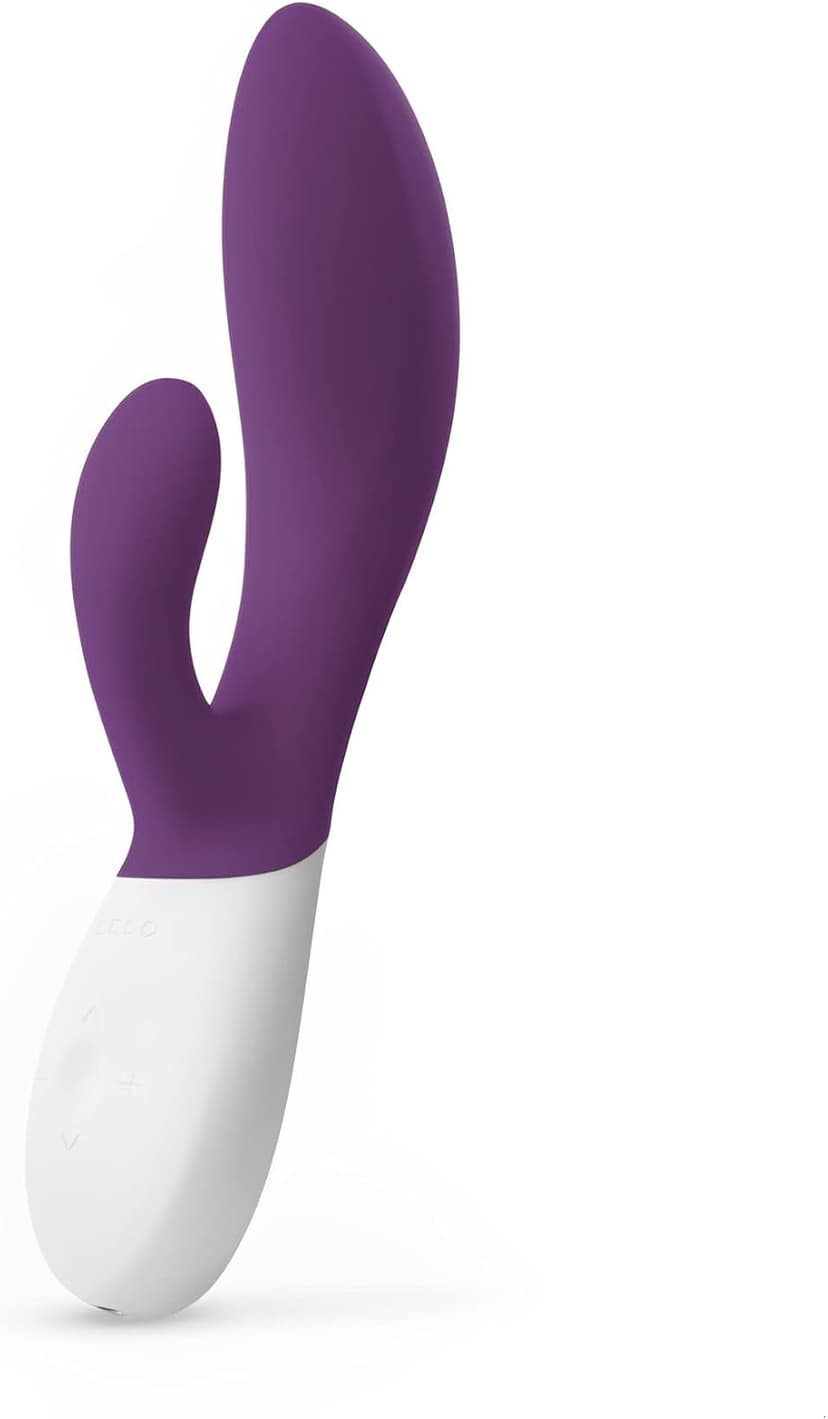
Because arousal takes longer, toys with gentle warming features (some Lelo models, for example) help accelerate the physiological response. A curved vibrator applied internally combined with external clitoral stimulation remains effective through menopause — the anatomy doesn't change, the response just takes longer.
Kegel exercisers
Pelvic floor muscle tone declines with oestrogen reduction. Kegel exercises (and devices that guide them, like the Elvie or Perifit) help maintain tissue tone, which supports continence and can improve sexual sensation. This is a longer-term investment — results take 8–12 weeks of consistent practice.
What to Avoid
Penetration without lubrication: This causes pain and micro-trauma that makes subsequent sex more difficult. If penetration is uncomfortable, address the dryness first — don't push through it.
Novelty products marketed at menopause: Creams and supplements marketed as "natural hormone boosters" or "libido restorers" have no meaningful evidence base. Oestrogen-containing vaginal creams on prescription have substantial evidence; topical wild yam creams sold online do not.
Ignoring GSM symptoms: Many women stop having penetrative sex because it's become painful without realising the cause is treatable. A GP conversation about topical oestrogen or other treatments can transform the situation.
Emotional Context
Many women in their 40s and 50s report that their interest in sex doesn't disappear — it shifts. Solo exploration, non-penetrative sex, and different types of stimulation become more central. Sex toys can be a significant part of a satisfying sex life at this stage precisely because they offer control over type, intensity, and timing of stimulation.
There's also the social context: children leaving home, reduced work pressure, and often greater self-knowledge create conditions where many women report better sex in their 50s than at any previous point — when the physical challenges are addressed.
See also: best vibrators for beginners, clit sucker buying guide, sex toy lube guide, kegel exercise programme