buying-guides
Vibrator Buying Guide: Types, Specs, and How to Choose Your First
13 February 2024 · 9 min read
The vibrator market is enormous, and the sheer volume of options makes choosing genuinely difficult — especially if you're buying for the first time. This guide cuts through the noise: here are the types that actually exist, what distinguishes them, and the specs that matter when comparing options.
The Main Types of Vibrator
Bullet vibrators are the smallest and simplest. Typically cylindrical, between 7cm and 12cm long, and designed primarily for external clitoral stimulation. They're an excellent first purchase — affordable, discreet, easy to use, and surprisingly powerful relative to their size. Limited in application but excellent at what they do.
Wand vibrators are the opposite end of the spectrum: large, powerful, designed for external use with a broad head. Mains-powered wands are the most powerful vibrators available; rechargeable versions sacrifice some power for portability. Excellent for people who need strong stimulation or find conventional vibrators insufficiently powerful. The Hitachi Magic Wand and Doxy are the benchmarks.
G-spot vibrators are insertable, with a curve or angled tip designed to press against the anterior vaginal wall. Most are between 15cm and 20cm in total length with 10–14cm of insertable length. Firmness matters — a G-spot vibrator needs enough rigidity to apply pressure, so softer materials are less effective here.
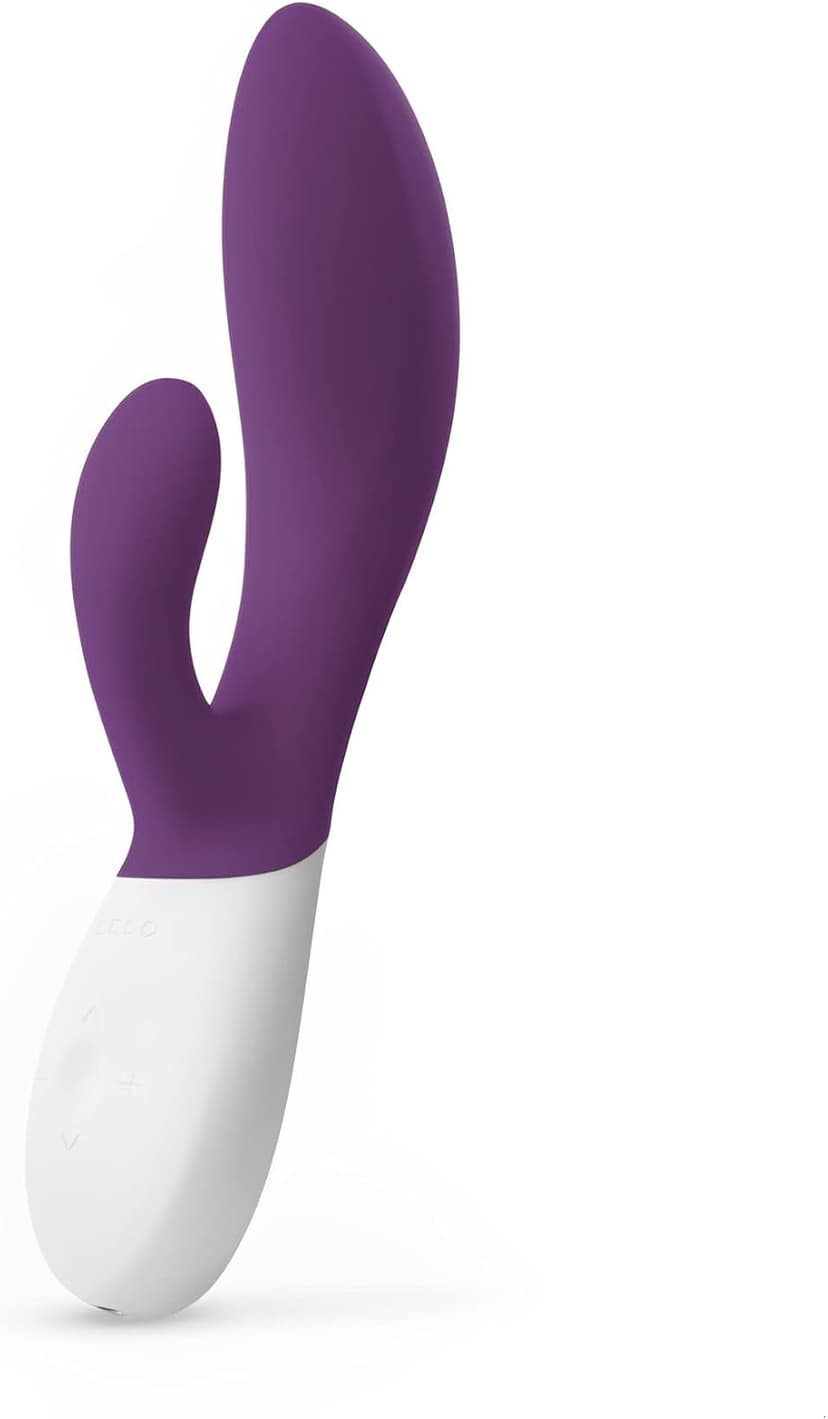
Rabbit vibrators combine an insertable shaft with a clitoral arm, intending to stimulate internally and externally simultaneously. They work well when the fit is right — the distance between the shaft and the clitoral arm has to align with your anatomy. When it doesn't fit, it's frustrating. Fit is the most important consideration when choosing a rabbit, and it's the thing most product listings don't help with.
Air-pulse/suction toys (including rose toys, clit suckers, and devices from Womanizer and Satisfyer) use air pressure rather than vibration. See the dedicated guides for these — they're a meaningfully different category.
Couples vibrators are designed to be worn or used during partnered sex, typically during penetration. They range from vibrating cock rings to internal wearable devices. Fit and positioning are the key specs.
Wearable vibrators are designed to be worn discreetly — inside or against the body — during daily life or partnered activity. The Lovense Lush is the best-known example.
What Specs Actually Matter
Motor type and power — this is the most important spec and the hardest to evaluate from a listing. "Rumbly" vibrations (low frequency, high amplitude) penetrate deeper and feel less numbing over time. "Buzzy" vibrations (high frequency, low amplitude) are more surface-level and can cause numbness with extended use. Better motors tend to be rumblier. Price is a rough proxy; reviews are more reliable.
Noise level — measured in decibels, though manufacturers rarely publish this. "Whisper-quiet" is a marketing claim; "audible through a closed door" is more honest for many products. Silicone bodies and dense motors tend to be quieter; hard plastic bodies transmit more sound.
Waterproofing — IPX4 (splash-resistant), IPX5 (spray-resistant), IPX7 (submersible). Only IPX7 is reliably safe for shower or bath use. Check the actual rating rather than trusting "waterproof" marketing language.
Rechargeable vs battery-powered — rechargeable (USB or magnetic charging) is almost always preferable: more consistent power output, lower long-term cost, better for the environment. Battery-powered vibrators can be useful for travel (no charging required) but performance tends to dip as batteries drain.
Material — silicone is the gold standard. It's non-porous, body-safe, easy to clean, and available at every price point. ABS plastic (hard plastic) is also body-safe and common in cheaper bullets. Avoid jelly, rubber, PVC, or unspecified "realistic" materials — these are porous and can harbour bacteria.
Number of vibration patterns — a secondary consideration. Multiple patterns are nice for variety but rarely the deciding factor. What matters more is the quality and power of the base vibration.
Budget Tiers
Under £25: Solid ABS plastic bullets, basic single-function vibrators. Can be good value. Prioritise silicone or ABS plastic materials and USB charging.
£25–£60: Most mainstream mid-range options. Rechargeable, silicone, multiple motors in dual-function toys, IPX7 waterproofing. This is where the widest selection sits.
£60–£120: Premium brands — LELO, We-Vibe, higher-end Satisfyer and Womanizer. Better motors, more refined design, longer warranties. Worth the investment if you've identified what type of stimulation you want.
Over £120: Specialist or luxury items. Diminishing returns unless you're buying for a specific feature set.
Where to Start
If you're buying for the first time and aren't sure what you prefer, a mid-range rechargeable bullet or simple external vibrator is the lowest-risk starting point. It's body-safe, straightforward to use, and gives you a reference point for what vibration feels like before committing to more complex (and expensive) devices.
See also: Womanizer models guide, Satisfyer models guide, clit sucker buying guide, and best vibrators for beginners