comparisons
We-Vibe vs Lovense: App-Controlled Couples Toys Compared
6 March 2024 · 8 min read
If you are shopping for app-controlled couples toys, We-Vibe and Lovense are the two brands that consistently dominate recommendations. They have overlapping use cases — both offer vibrators that can be controlled remotely via phone, both work for long-distance play, and both have established track records. But they differ meaningfully in focus, hardware range, and app experience.
What Each Brand Does
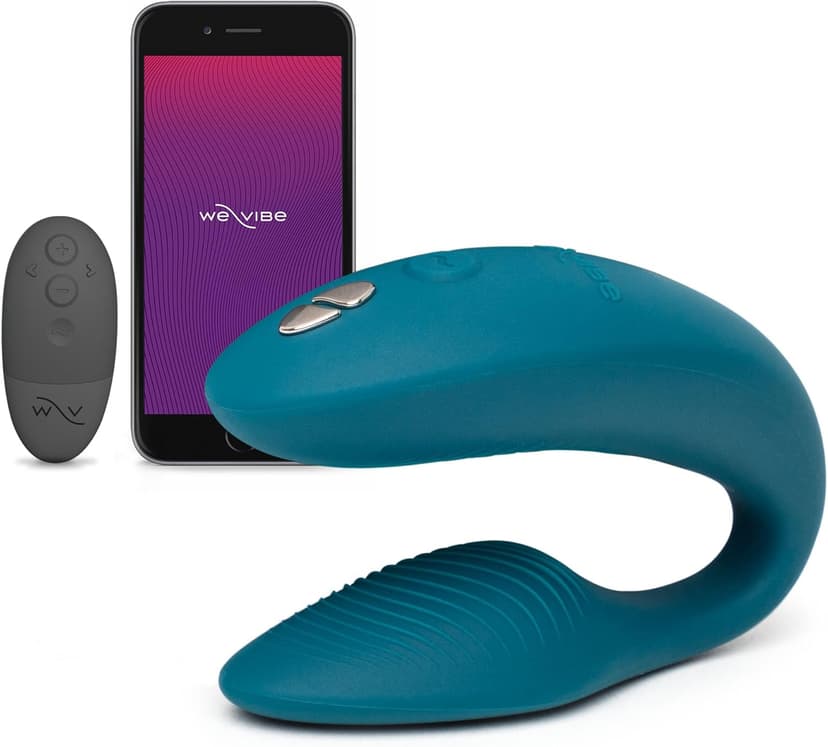
We-Vibe focuses almost exclusively on couples. Their flagship products are wearable vibrators designed to be used during partnered sex — the Sync (worn internally during penetration), the Touch (external), and the Moxie (wearable clit vibrator). We-Vibe's design principle is that both partners experience the device simultaneously. Their app is polished and has been developed for a long time.
Lovense has a much broader hardware range and is less specifically focused on coupled use. Their product line includes the Lush (a wearable egg vibrator with a tail for remote wear), the Nora (a rabbit vibrator), the Max 2 (a male stroker), and several others. Lovense's product philosophy is more about remote control and interactive sync — including content sync and partner-control features — across a wide variety of body types and use cases.
Hardware Range
| We-Vibe | Lovense | |---|---| | Sync (wearable couples toy) | Lush 3 (wearable egg) | | Sync Go (compact couples) | Nora (rabbit vibrator) | | Touch X (external wand) | Osci 2 (G-spot, oscillating) | | Moxie+ (wearable clit) | Domi 2 (mini wand) | | Pivot (vibrating cock ring) | Diamo (cock ring) | | Chorus (couples toy) | Max 2 (male stroker) | | | Edge 2 (prostate) |
Lovense's range is substantially wider. We-Vibe's range is more cohesive — everything they make is oriented around the same core use case (partnered play, specifically).
App Quality
Both brands have good apps. The differences are in design philosophy rather than quality.
We-Vibe Connect — polished, consumer-friendly design. The partner invite flow is simple; the remote control interface is intuitive. The app has been refined over many product generations. If you want something that "just works" without configuration, We-Vibe's app experience is better.
Lovense Remote — more feature-rich but slightly more complex. Includes pattern creation, music sync, interactive content features, and better multi-device management (useful if you own several Lovense products). The sound-activated mode (vibration responds to ambient sound/music) is a distinctive Lovense feature not present in We-Vibe's app.
Long-Distance Use
Both apps support partner control over any internet connection. We-Vibe and Lovense handle this similarly well. The key practical differences:
Latency: Both are low-latency with a good connection. Video call integration is handled the same way by both — you use a video call app separately and the sex toy app runs in parallel. Neither brand has solved the "everything in one app" issue cleanly.
Content sync: Lovense supports interactive content sync with some adult video platforms. We-Vibe does not have this feature. If interactive content is a use case, Lovense wins by default.
Product-Specific Recommendation
For wearable-during-sex use: We-Vibe Sync or Sync Go. The Sync is purpose-built for this in a way no Lovense product is. The internal positioning, simultaneous clitoral and internal stimulation, and couples-use design is We-Vibe's core strength.
For remote wearable use (in public, during normal activity): Lovense Lush 3. The bullet-with-tail design and strong motor make it the reference product for this use case. We-Vibe's Moxie+ competes but the Lush has a longer track record.
For G-spot vibrator with app control: Lovense Nora. We-Vibe does not have a direct equivalent in their current range.
For male device: Lovense Max 2. We-Vibe does not make a male stroker. The Max 2 syncs with the Nora for interactive couples use.
For couples using a cock ring: We-Vibe Pivot vs Lovense Diamo — both vibrate and are app-controlled. We-Vibe's ring has a slightly better motor position for clitoral stimulation during sex.
Price Comparison
Both brands are in the premium tier. We-Vibe products typically run £80–150. Lovense products typically run £70–130. The price difference per device is minimal; the question is which hardware best fits your specific use case.
The Short Answer
If your primary use is coupled sex with a toy that works for both partners simultaneously, We-Vibe is the better-focused product. If you want a wider range of options, interactive content, or male-side hardware, Lovense covers more ground.
Many couples end up with products from both brands — a We-Vibe Sync for coupled use and a Lovense Lush for solo/remote use is a common combination.
See also: We-Vibe complete guide, Lovense complete guide, app-controlled vibrators guide, and the complete couples vibrators guide.