buying-guides
G-Spot Vibrator Guide: Shape, Curve, and What the Specs Mean
27 February 2023 · 6 min read
G-spot vibrators are one of the most popular categories in the market, but they're also one of the most frequently misunderstood. The curve isn't decorative — it's functional, and understanding why changes how you evaluate the options. Here's what the specs actually mean, and how to choose a G-spot vibrator that's likely to work for your anatomy.
Where the G-Spot Is and Why Curve Matters
The G-spot is located on the anterior (front) wall of the vagina, typically 5–8cm inside the entrance. It's not a discrete anatomical structure — it's a sensitive area of the anterior vaginal wall overlying the internal clitoris and the Skene's glands. Stimulation requires pressure upward and forward against this wall, which a straight vibrator can achieve poorly at best.
A curved tip directs vibration and pressure specifically toward this area. The angle of the curve matters: a subtle upward angle at the tip (around 15–30 degrees from the shaft) is effective for most anatomies; a more dramatic curve is useful for deeper internal anatomy. Overly aggressive curves can make insertion uncomfortable. Most G-spot vibrators sit in the 20–40 degree range.
The tip shape also matters. A rounded, bulbous tip distributes pressure broadly; a more pronounced or ridged tip targets a smaller area with greater intensity. Neither is objectively better — it depends on what you prefer.
Insertable Length
For G-spot stimulation, you don't need significant insertable length. The G-spot is 5–8cm inside the vaginal entrance, so 10–12cm of insertable length is usually more than sufficient. Posts with 15cm+ of insertable length aren't providing more G-spot access — they're just longer toys with the same functional reach.
This matters when comparing options: don't be drawn to a toy primarily because it's longer. Focus instead on the curve, tip shape, firmness, and vibration quality.
Firmness Is Critical
A G-spot vibrator needs to be firm enough to apply meaningful pressure against the anterior wall. Softer, more flexible toys dissipate that pressure. This is the main reason silicone firmness matters here — a medium-firm silicone will outperform a very soft one for G-spot stimulation even if all other specs are identical.
If you're comparing two similarly priced toys, look for reviews that comment on firmness. Shore A hardness around 25–40 is typical for G-spot vibrators; softer than this and pressure delivery suffers.
Vibration Patterns and Motors
G-spot vibrators typically have the vibration motor in the tip rather than the base — this positions the strongest vibration exactly where it's needed. Look for toys where the tip contains the motor (often described as "tip vibration" in listings).
Multiple vibration patterns are less important than motor quality for G-spot use. What matters is consistent, rumbly vibration rather than high-frequency buzzing. A rumbly motor at medium intensity will often outperform a buzzy motor at maximum.
Dual Stimulation Options
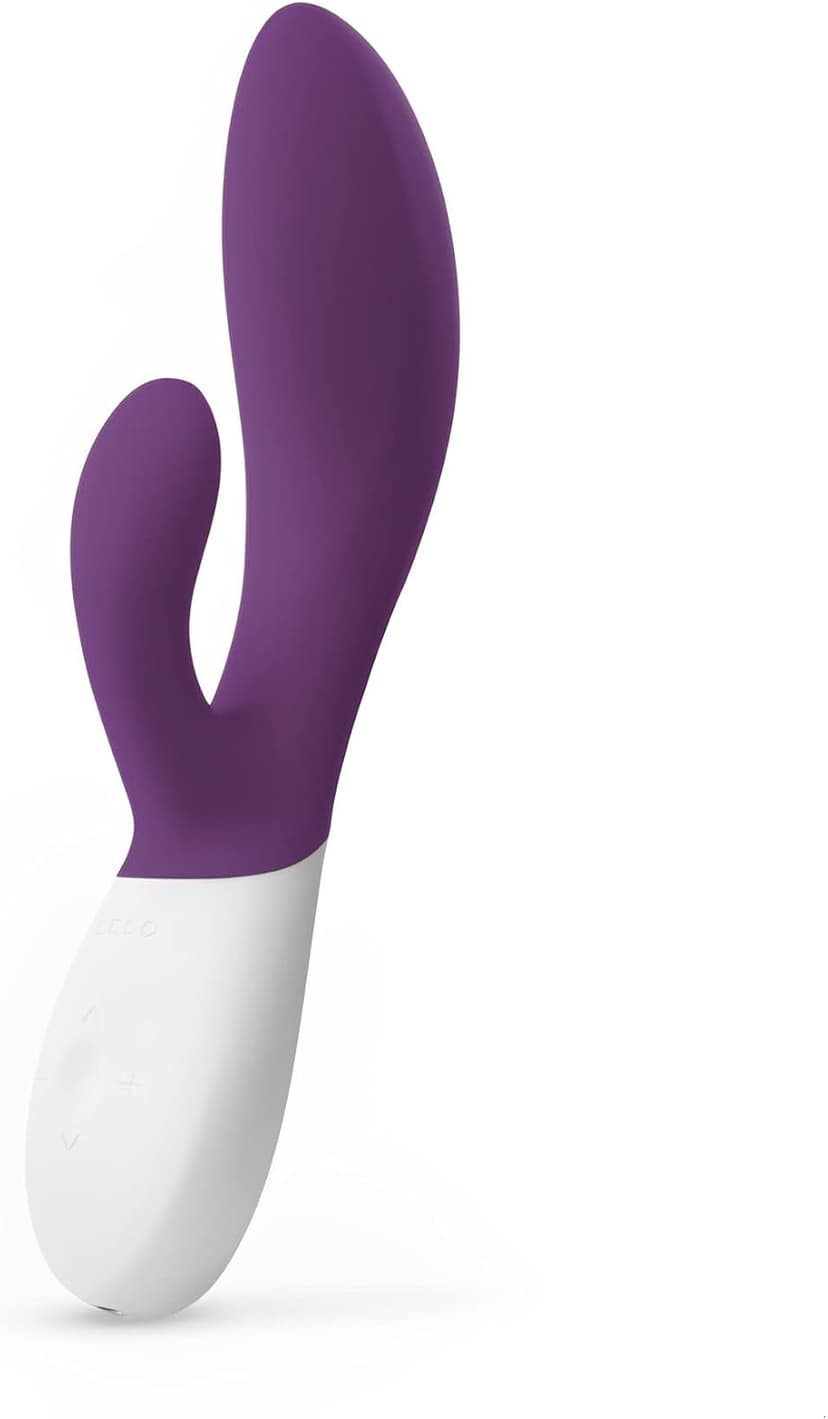
Many G-spot vibrators add external stimulation features — a clitoral arm (making them rabbit vibrators), a positioned external nub, or air-pulse in the external component. These can be effective but introduce the fit problem: the distance between the insertable tip and the external stimulator is fixed and must align with your anatomy.
If you want dual stimulation, look for toys with a flexible external arm or adjustable positioning rather than rigid designs. Alternatively, try a G-spot-only vibrator first to understand what internal stimulation feels like before adding the external component.
What to Prioritise
In order: curve angle, tip shape, firmness, motor quality/position. Beyond that, waterproofing (IPX7 if possible), USB recharging, and body-safe silicone material. Length and number of vibration patterns are secondary considerations for G-spot use specifically.
See also: waterproof sex toys guide, Insertable Length Guide, Rabbit Vibrator Guide, and Vibrator Buying Guide