buying-guides
Textured Dildos: Ridges, Bumps, and What They Actually Feel Like
6 July 2024 · 5 min read
Texture is one of the more subjective aspects of dildo choice — what one person finds intensely pleasurable, another finds overstimulating or uncomfortable. But it's not entirely a matter of taste: different texture types have distinct mechanical effects, and understanding those makes choosing easier.
Why Texture Creates Sensation
A smooth dildo creates friction only from the diameter of the toy moving through and against the vaginal or anal walls. The sensation is relatively consistent throughout the motion.
A textured surface adds friction points — ridges, bumps, or protrusions that create additional localised pressure and stimulation as the toy moves. This can be subtle (shallow ribs) or very pronounced (deep nodules or aggressive spiral ridges). The stimulation is concentrated at the texture points rather than distributed evenly.
The Main Texture Types
Ribs / horizontal ridges — parallel rings that run around the circumference of the shaft. These create rhythmic pressure during insertion and withdrawal, with each rib felt distinctly as it passes. The depth of the ribs determines how pronounced the sensation is. Shallow ribs are subtle; deep ribs are noticeable. A common and generally well-tolerated texture type.
Spiral / helical ridges — a continuous ridge that winds around the shaft like a screw thread. Produces a twisting sensation during movement — particularly during rotation. Less distinct than horizontal ribs during linear motion but creates a different effect during twisting or rotation.
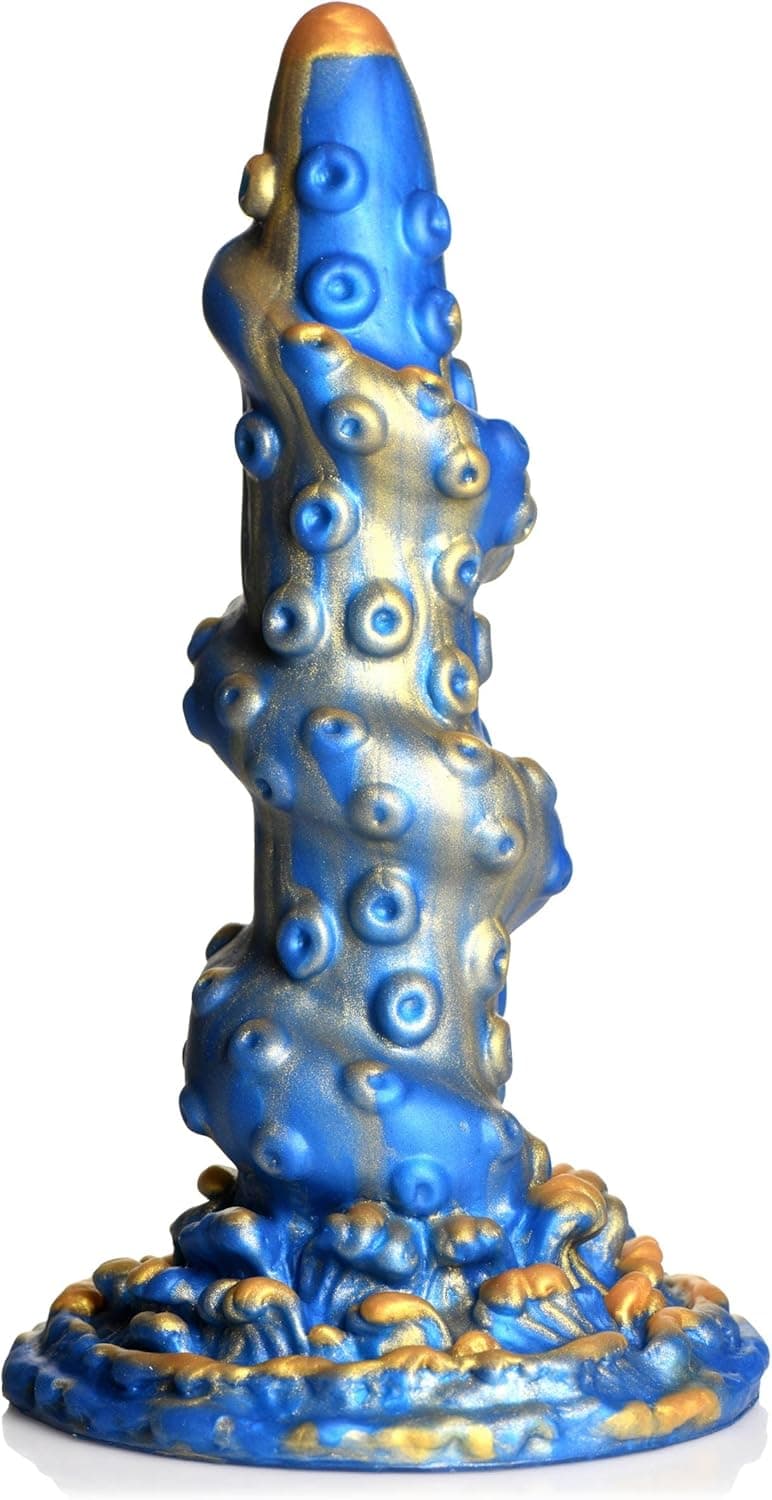
Bumps / nodules — raised rounded protrusions distributed across the surface. More diffuse than ribs — the sensation isn't rhythmic but rather an overall increased textural friction. Common on toys designed for general stimulation rather than targeted rib-based sensation.
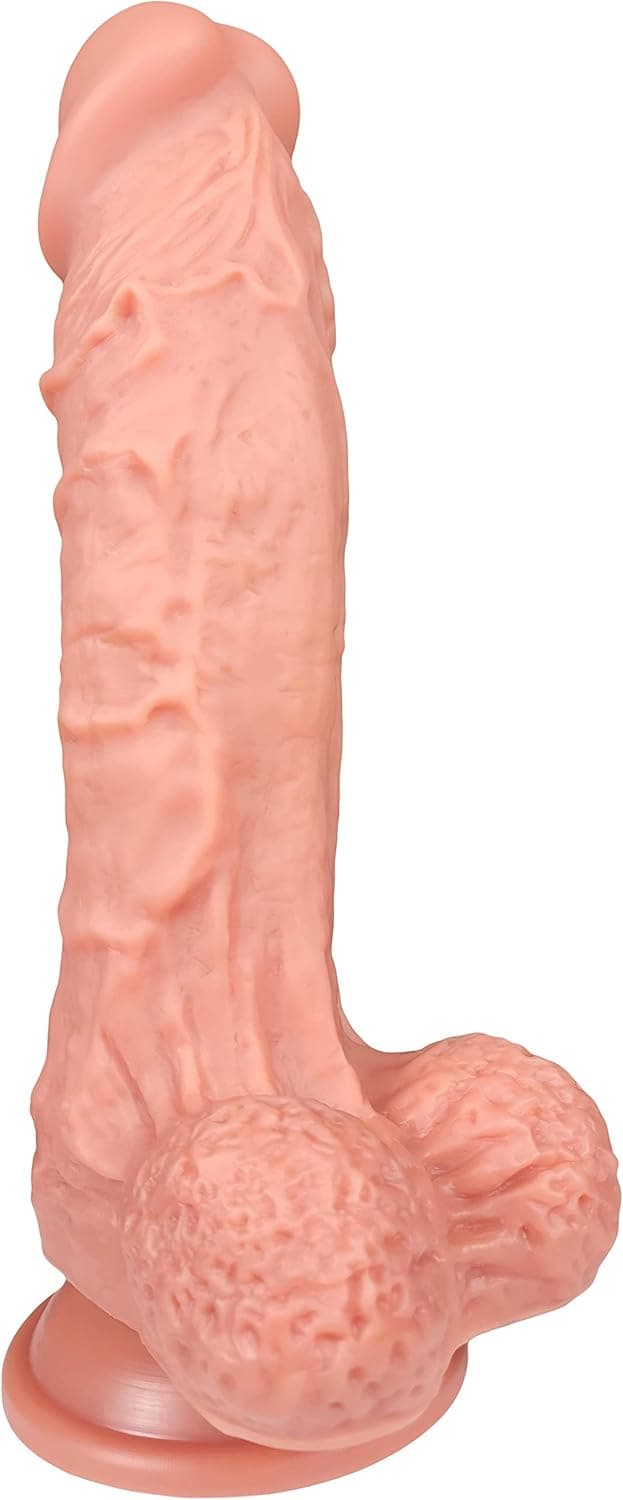
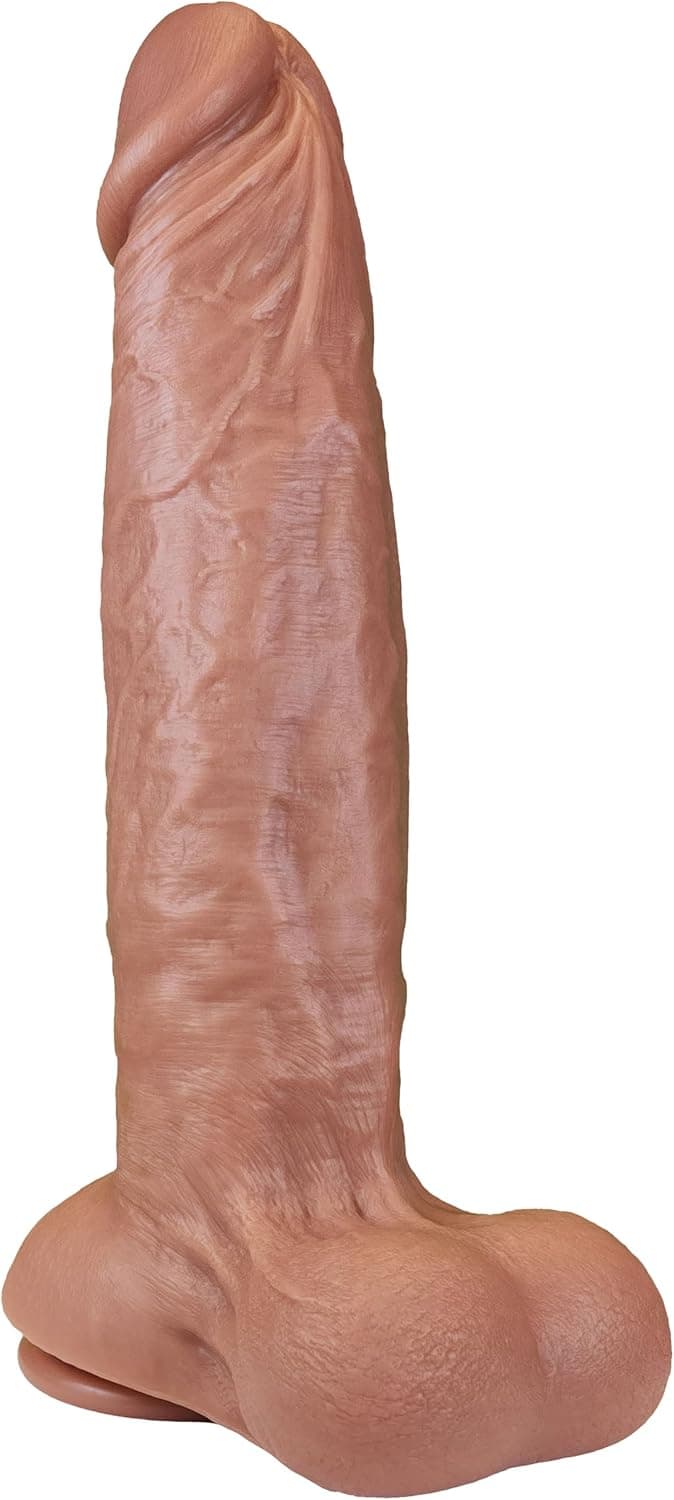
Veining — shallow, realistic vein-like surface texture on anatomically designed toys. Creates very subtle additional friction; more visual/aesthetic than functionally intense.
Anatomical glans — a pronounced tip designed to resemble a glans penis. Creates additional stimulation specifically at the tip during initial penetration and throughout movement. The flared edge of the glans adds a distinct sensation point.
Knots — a pronounced bulge near the base, common on fantasy canine-style designs. Not purely texture — the knot represents a significant girth increase at the base that creates a distinct locking sensation during full insertion.
Firmness and Texture Interaction
Texture is more noticeable on a firmer toy. The same ridge pattern on a Shore A 20 soft silicone toy vs a Shore A 40 medium-firm toy will feel quite different — the firmer toy's texture creates more pronounced pressure, while the softer toy's texture is more cushioned.
For people who want texture sensation without intensity: a softer silicone textured toy. For those who want maximum texture effect: a firmer silicone textured toy.
Starting With Texture
If you haven't used a textured toy before, starting with light horizontal ribs on a medium-soft silicone is the most accessible introduction. It adds sensation without being overwhelming and gives you a reference point for deciding whether you want more or less pronounced texture.
Very aggressive textures (deep nodules, large ridges) are better explored after you know you enjoy the category.
See also: Flexible vs Firm Dildo, Dildo Size Guide, Fantasy Dildo Guide for Beginners