buying-guides
How Loud Are Vibrators? A Guide to Noise Levels
27 October 2025 · 5 min read
Noise is one of the most commonly asked-about vibrator specs and one of the least reliably communicated in product listings. "Whisper-quiet" is a claim that appears on a significant number of devices that genuinely aren't. Here's what actually determines how loud a vibrator is, what to look for, and what to expect at different price points.
Why Vibrators Make Noise
The noise from a vibrator comes primarily from two sources: the motor itself, and the resonance of the device's body and housing.
Motor noise varies significantly between motor types and quality. High-frequency (buzzy) motors tend to generate more audible sound than lower-frequency (rumbly) motors running at the same power. Cheap motors with poor tolerances vibrate their housings more erratically, generating more noise. Better motors, generally found in more expensive devices, run more smoothly and quietly.
Body resonance is the sound of the device's casing amplifying the motor vibration. A hard plastic body transmits and amplifies vibration into sound much more readily than a dense silicone body, which absorbs and dampens it. This is why a silicone-bodied toy at the same motor power as a plastic-bodied toy will almost always be quieter.
IPX Ratings and Noise
There's a useful relationship between waterproofing and noise: a properly sealed waterproof toy (IPX7) has fewer gaps in its casing, which means the motor is more enclosed and sound is transmitted less readily to the outside. This isn't always the case, but toys with genuine IPX7 ratings tend to be quieter than their non-waterproof equivalents from the same brand.
What Decibel Levels to Expect
Manufacturers rarely publish decibel figures, but independent reviews and testing give a rough picture:
Basic battery-powered bullet vibrators at maximum: typically 50–60 dB (comparable to a normal conversation or quiet office).
Mid-range rechargeable silicone vibrators at maximum: typically 40–55 dB (comparable to a quiet library or gentle rain).
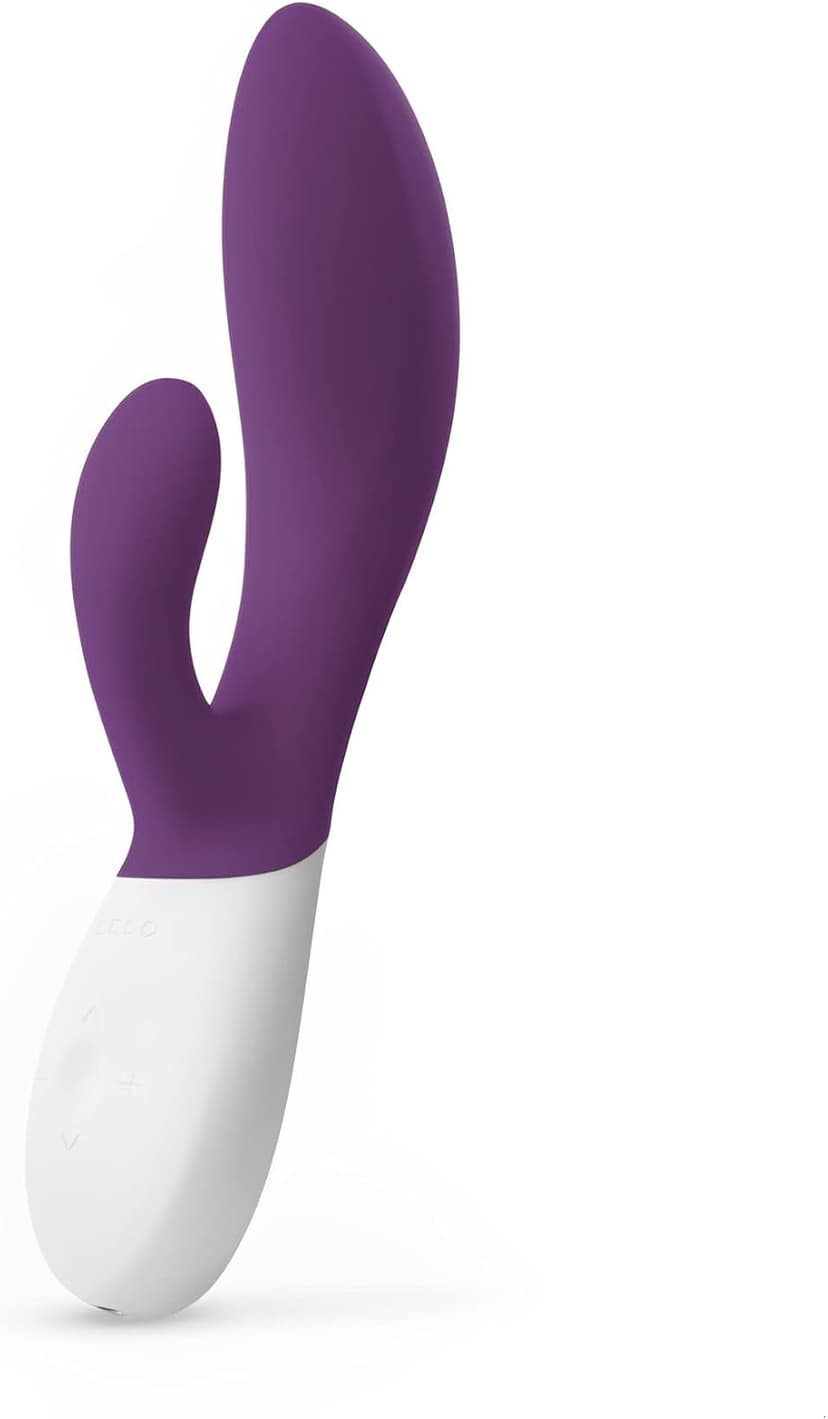
Premium motors (LELO, We-Vibe, Doxy at low settings): can reach 35–45 dB, which is approaching the threshold of genuine quietness.
Wand vibrators at maximum: typically 60–70 dB — these are inherently louder due to motor size, and can be audible through closed doors.
Air-pulse/suction toys: produce a characteristic rhythmic sound rather than a pure vibration noise. Typically 45–55 dB, but the distinctive nature of the sound can feel more noticeable than the dB figure suggests.
Which Types Are Quietest
In rough order from quietest to loudest:
- Premium rechargeable vibrators with dense silicone bodies and quality motors
- Mid-range rechargeable silicone vibrators
- Battery-powered silicone vibrators
- Hard ABS plastic vibrators
- Wand vibrators (loudest by design)
Air-pulse toys occupy a different category — they're not louder per se but distinctive, so they warrant their own consideration.
Practical Noise Reduction
A few approaches that work in practice:
Use a duvet or blanket — even thin fabric significantly muffles vibrator noise. This is a reliable and free approach.
Use at lower settings — noise increases significantly at maximum. Most people don't use maximum settings; noise at middle intensity is much more manageable.
Choose silicone over plastic — for a meaningfully quieter experience, silicone construction is the single most reliable predictor.
Read reviews specifically about noise — reviewer feedback is far more reliable than manufacturer claims. Look for reviews that mention noise at specific intensity levels.
An Honest Note on "Whisper-Quiet"
"Whisper-quiet" is a marketing claim on some devices that are audible through a closed door at maximum. Treat it as aspirational rather than factual unless backed by independent reviews. If noise is critical — thin walls, shared accommodation, children in the house — prioritise independent review evidence over product descriptions.
See also: Vibrator Buying Guide, Rechargeable vs Battery Vibrators, Bullet Vibrator Guide