size-and-fit
Vibrator Size Guide: Does Size Matter for Vibrators?
18 January 2024 · 7 min read
The sex toy industry applies a lot of the same size logic to vibrators that it applies to dildos — bigger, longer, more impressive on paper. This logic is less relevant for vibrators than for dildos, and understanding why helps you make a better buying decision.
Why Vibrator Size Works Differently
A dildo's primary function is insertion, and insertion requires the toy to physically fill space. Dimensions directly determine function — a toy that is too small provides insufficient sensation; a toy that is too large is uncomfortable or unusable. The size-to-experience relationship is tight.
For vibrators, the primary function is vibration and stimulation. The motor power, frequency, pattern options, and placement precision are the variables that determine the experience. Size is a secondary consideration that mainly affects usability, reach, and comfort — not the core stimulus.
This does not mean vibrator size is irrelevant. It means the question is different: instead of "what size fits me," the question is "what size lets me use this effectively."
Dimensions That Matter for Vibrators
External vibrators (clit, wand, external-only)
For external vibrators, size determines ease of use, precision, and power capacity — not fit.
Wands are large (typically 25–35cm long, 5–7cm head diameter) because the size houses a large motor. The head size determines how broad the stimulation area is — a large head covers more surface area but is less precise; a smaller head is more targeted. Body weight and head shape also affect how easy the toy is to hold and position without fatigue.
Bullet vibrators are small (5–10cm long, 1.5–3cm diameter) — their size is the point. Small means precise, discreet, and easy to use during partnered activity. The trade-off is motor size: small housing limits motor power. Most bullets are adequate for external stimulation; very few deliver the power of a wand.
Suction/air-pulse toys like those from Womanizer and Satisfyer have a nozzle diameter that is critical to function — the opening must create a seal around the clitoris to work. Nozzle sizes vary from roughly 1.5cm to 3cm internal diameter. Choosing the right fit is the key size decision for this category.
Internal vibrators (G-spot, rabbit, thrusting)
For internal vibrators, size matters exactly as it does for dildos — the insertable length and diameter determine fit and sensation. The same rules apply: insertable length should match what is comfortable and pleasurable for you, and diameter should be appropriate for your experience level and preference.
G-spot vibrators are typically slim (2.5–4cm diameter, 12–18cm insertable length) because the goal is targeted stimulation of a specific area, not fullness. The curve angle and tip shape matter more than diameter.
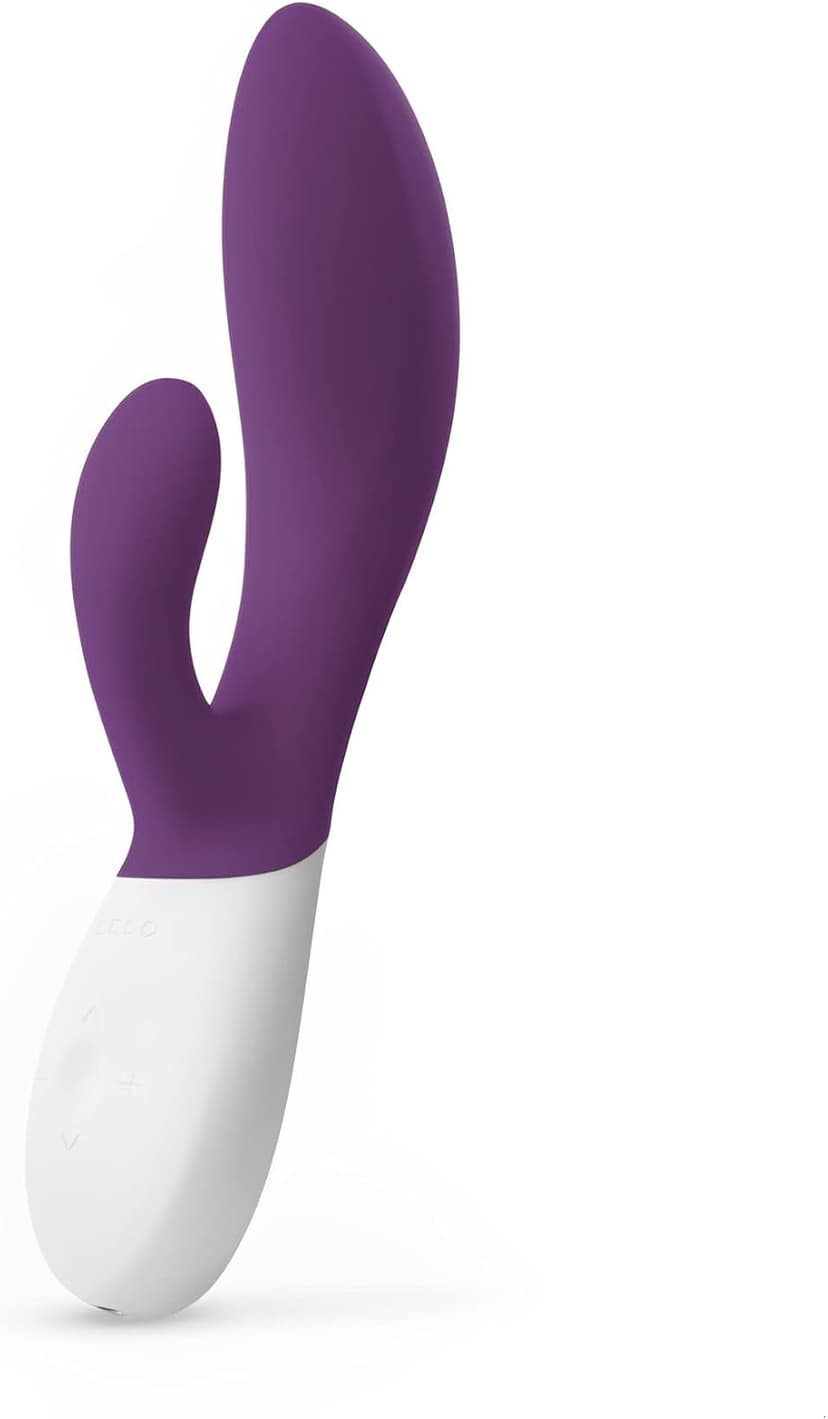
Rabbit vibrators combine an insertable shaft (similar dimensions to a G-spot vibrator) with an external arm for clitoral stimulation. The critical variable that most buying guides underemphasise is the distance between the shaft and the clitoral arm — this measurement determines whether the two stimulation points line up with your anatomy. Most rabbits do not list this measurement. It is the primary reason rabbits have a higher-than-average disappointment rate for first-time buyers.
Thrusting vibrators move in and out as well as vibrate. Shaft dimensions apply as for a standard insertable toy — diameter and insertable length determine fit.
What Size to Choose
External vibrators: Choose based on your use case, not size. If you want broad coverage and power, a wand. If you want precision and discretion, a bullet. If you want air-pulse stimulation, focus on nozzle diameter.
Internal vibrators: Apply the same approach you would to a dildo — start with a diameter and insertable length within your established comfort range. If you are new to internal vibrators and have no dildo reference point, 3–3.5cm diameter and 12–14cm insertable length is a sensible starting point for most users.
Rabbit vibrators: If trying your first rabbit, accept that the clitoral arm fit is uncertain regardless of what you buy. Some buyers find they need to try two or three before finding a geometry that works for them. This is not a product flaw — it is an anatomy variation issue the market has not yet solved well.
Motor Position and Size
One practical implication of vibrator size worth knowing: motor placement varies by product, and in smaller vibrators the motor is often positioned toward the base (away from the stimulation tip) for engineering reasons. This can mean the area of strongest vibration is not where you expect it.
In larger vibrators — particularly wands and premium G-spot vibrators — manufacturers have more room to position the motor close to the stimulation head, resulting in stronger vibration at the point of contact. This is part of why larger, more expensive vibrators often feel more powerful despite nominally similar motor specs.
The Number That Actually Matters
If you want one number to compare vibrators by: motor intensity (measured in rpm or g-force). This number is rarely published, which is why comparison sites struggle to rank vibrators objectively. Anecdotal comparisons — "stronger than X brand, less powerful than Y" — are often more useful than raw specs for this reason.
Measured Pleasure lists vibrators with their key dimensions. For external vibrators, compare head size. For internal vibrators, compare diameter and insertable length alongside the other specifications.
See also: how to choose a vibrator, wand vs regular vibrators compared, clit sucker buying guide, and rechargeable vs battery vibrators.