buying-guides
Buying Your First Vibrator After 35: A No-Nonsense Guide
15 January 2025 · 6 min read
Buying a first vibrator later in life doesn't require a different approach from buying one at any other age — but there are a few things worth knowing that most guides aimed at younger readers skip over.
You're Not Behind
There's a persistent idea that vibrators are for younger women, or that if you haven't used one by a certain age you've missed something. Neither is true. A large proportion of women buy their first vibrator in their 30s, 40s, and beyond. The market has matured, the stigma has reduced, and quality products are more accessible than they've ever been. Starting at 40 or 55 is not starting late — it's starting when you're ready.
What to Buy
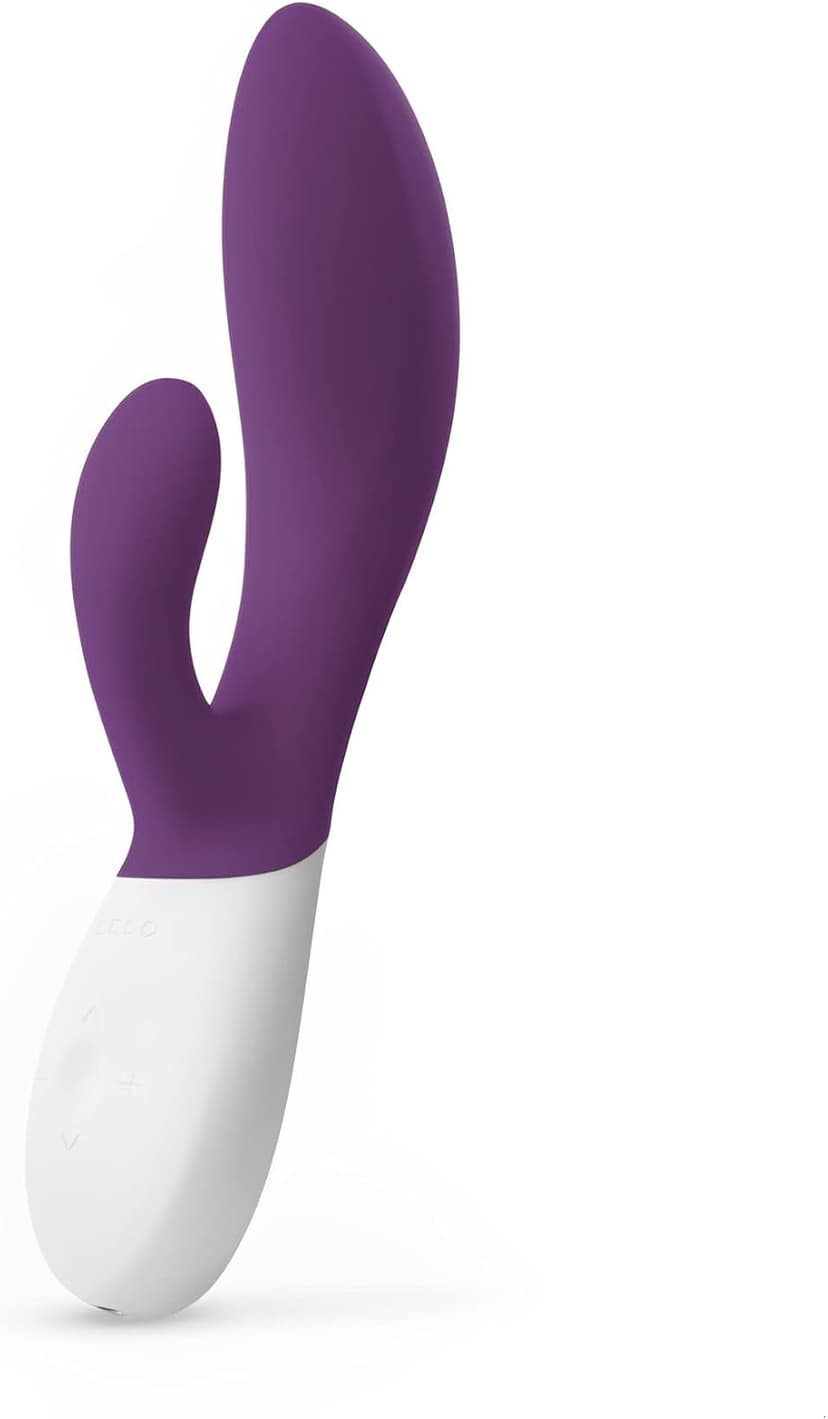
The safest first purchase for most women is a rechargeable external vibrator — something designed primarily for clitoral stimulation, with a simple interface and good vibration quality.
Why external rather than internal for a first purchase? Most women orgasm primarily through clitoral stimulation rather than penetration. An external vibrator works reliably for this; an insertable vibrator adds complexity (size considerations, internal sensation, finding the right shape) that isn't necessary for a first purchase.
Specific recommendations by type
If you want simplicity: A quality bullet vibrator or small external vibrator. The Satisfyer Pro 2 Next Generation (air pulse technology, around £30–40) is one of the most positively reviewed first vibrators across all age groups. The We-Vibe Tango X is the most recommended high-quality bullet.
If you want something powerful: A wand massager. The Doxy 3 and Hitachi Magic Wand are the benchmarks. These are significantly more powerful than most vibrators — start on the lowest setting and use through clothing if direct contact is too intense at first.
If you're not sure about penetration: Start with an external vibrator. Once you're familiar with the sensation and know what you like, you can decide whether to add something insertable.
What to Ignore
Large insertable toys for a first purchase. These are the wrong entry point.
Anything with no material listed or vague descriptions like "body-safe rubber." Stick to silicone or ABS plastic from named brands.
Novelty designs and shapes. A simple, functional design is easier to use and understand.
The cheapest option. A £10 vibrator will likely be battery-powered, noisy, poorly made, and put you off the category. Spending £30–60 on a first vibrator from an established brand is the difference between an experience you want to repeat and one you don't.
How to Get Started
There's no protocol. But a few practical points help:
Give yourself time. Vibrators work better when you're relaxed and have privacy. A rushed or distracted first use often produces a muted result.
Start on a lower setting. Most vibrators have multiple intensity levels. Start low and increase — it's easy to go to high intensity too quickly and find it overwhelming or numbing.
Explore placement. The clitoris extends beyond the external nub — vibration applied to different parts of the pubic area, labia, and around the clitoris produces different sensations. There's no fixed right position.
Use lubricant if anything feels uncomfortable. A water-based lubricant applied to the vibrator reduces friction and typically makes the experience more comfortable.
Buying Discreetly
Mainstream retailers like Lovehoney, LoveWoo, and SheVibe ship in plain packaging with neutral billing descriptors. Amazon also sells reputable brands (Satisfyer, We-Vibe, LELO) if that's more comfortable. The packaging and delivery experience is designed for discretion — it's a non-issue in practice.
See also: vibrator buying guide, best vibrators for beginners, clit sucker buying guide, sex toys for women over 40